
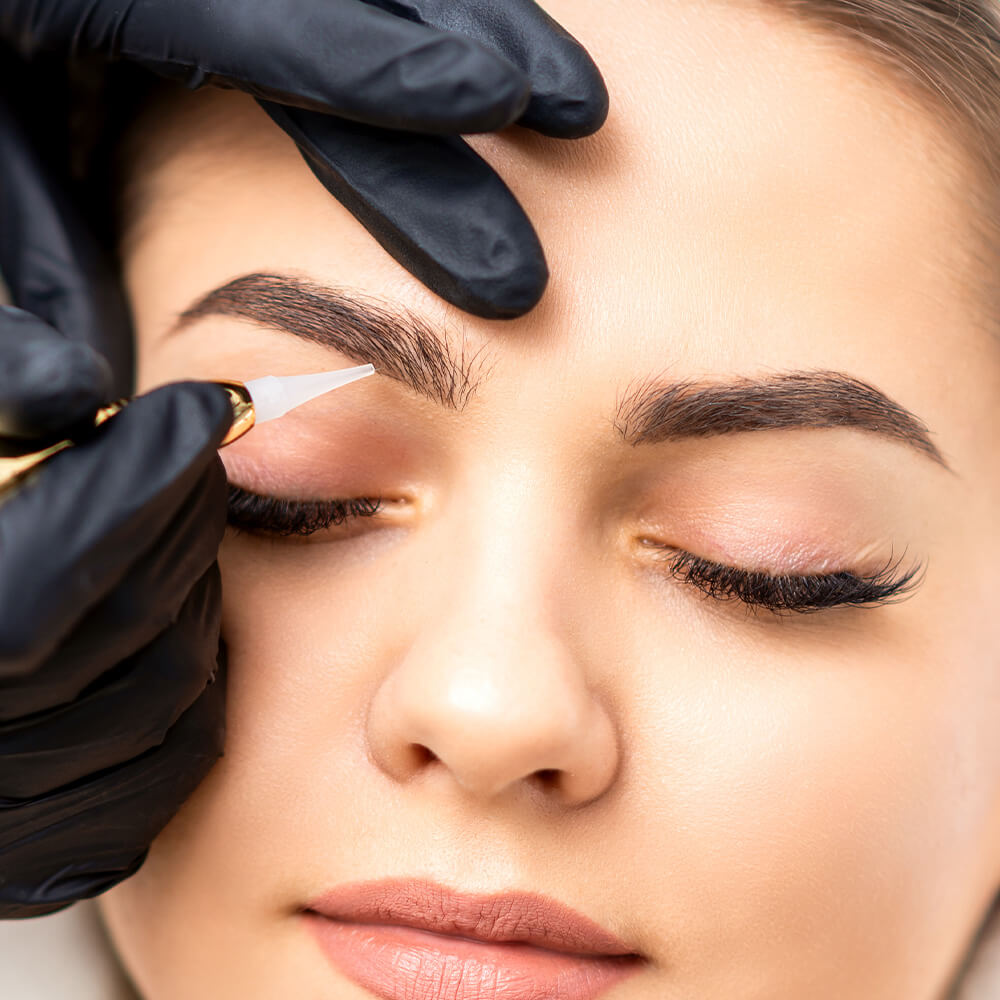
Eyebrow transplantation is a cosmetic surgical procedure designed to restore or enhance the appearance of eyebrows by transplanting healthy hair follicles from one area of the body (typically the scalp) to the brow region. This procedure is ideal for individuals who have thin, sparse, or missing eyebrows due to genetics, over-plucking, scarring, or medical conditions like alopecia.
EYEBROW TRANSPLANTATION
By clicking the button below, you can reach us via the contact page, fill out the form on the page accurately and completely to get in touch with us, and schedule an online appointment…
Who Is a Good Candidate for Eyebrow Transplantation?
Individuals with sparse, thin, or uneven eyebrows due to over-plucking, genetics, or trauma.
Those who have lost their eyebrows due to medical conditions like alopecia or scarring.
People who are in good overall health, with a healthy donor area for hair follicles (typically the scalp).
Those with realistic expectations about the procedure and its results.
Types of Eyebrow Transplantation Techniques
1. FUE (Follicular Unit Extraction)
- Procedure: Individual hair follicles are extracted one by one from the donor area (typically the back or sides of the scalp) and implanted into the eyebrow region.
- Benefits: Minimal scarring, natural-looking results, and a relatively non-invasive procedure.
- Ideal for: Patients seeking a more subtle and customized eyebrow shape with minimal scarring.
2. FUT (Follicular Unit Transplantation)
- Procedure: A strip of skin from the donor area is removed, and the hair follicles are then extracted from the strip and transplanted into the eyebrow area.
- Benefits: Ideal for patients requiring larger grafts for denser eyebrows. However, this technique may result in a linear scar in the donor area.
- Ideal for: Those looking for more significant hair coverage in the eyebrow region.
3. DHI (Direct Hair Implantation)
- Procedure: A specialized pen-like tool is used to extract and implant the hair follicles directly into the eyebrow area.
- Benefits: More precise control over the direction and angle of hair growth for a more natural look. No incision is needed, and recovery is faster.
- Ideal for: Individuals looking for a non-invasive method with natural-looking results.
Procedure Overview
- Anesthesia: Local anesthesia is used to numb the eyebrow area, ensuring comfort during the procedure.
- Hair Extraction: Hair follicles are extracted from the donor area (usually the scalp) using FUE, FUT, or DHI techniques.
- Implantation: The extracted follicles are carefully implanted into the eyebrow area, following the natural growth pattern of the eyebrows to ensure a natural look.
- Duration: The procedure typically takes around 2-4 hours, depending on the extent of the eyebrow restoration.
- Recovery: Most patients can resume normal activities after 1-2 days, although full recovery may take several weeks.
Recovery & Aftercare
- Swelling & Redness: Mild swelling and redness are common around the eyebrow area and typically subside within a few days.
- Avoid Touching: It is important to avoid touching or rubbing the transplanted area to prevent infections or dislodging the follicles.
- Post-Operative Care: Proper aftercare includes keeping the transplanted area clean and avoiding sun exposure for a few weeks.
- Hair Shedding: It is normal for the transplanted hair to fall out within the first 2-3 weeks as part of the natural hair growth cycle.
- Final Results: The full results are typically visible after 6-12 months as the new hairs grow and mature.
Potential Risks
- Scarring: While FUE leaves minimal scarring, FUT may result in a linear scar in the donor area.
- Infection: As with any surgical procedure, there is a small risk of infection. Proper care and hygiene help reduce this risk.
- Poor Growth: In some cases, transplanted hairs may not grow as expected.
- Numbness or Tingling: Temporary numbness or tingling in the treated area is possible but generally resolves within a few weeks.
Conclusion
Eyebrow transplantation is an effective and permanent solution for individuals seeking to restore or enhance the appearance of their eyebrows. Whether due to genetics, over-plucking, or medical conditions, the procedure can help achieve fuller, more natural-looking eyebrows. Consulting with a skilled, board-certified surgeon is crucial to achieve optimal results and a natural aesthetic.


